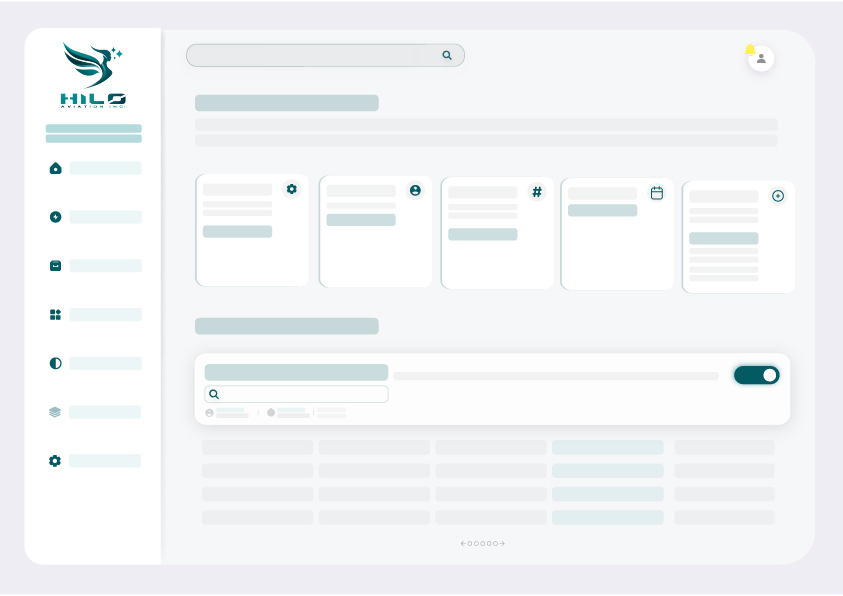
Training management, connected to every part of your operation
Manage programs, curriculum, instructors, and student progression in one unified system.
From enrollment to checkride readiness, training is structured, visible, and consistent across your operation.
Key Training Features
Hilo structures operations into a connected flow where each stage feeds the next.
Aircraft, instructors, students, and operational context stay aligned from planning through execution.
Build complete training programs from start to finish
Create multi-certificate programs like zero-to-hero or airline cadet pathways. Define progression, set timelines, and manage every stage from first flight through completion.
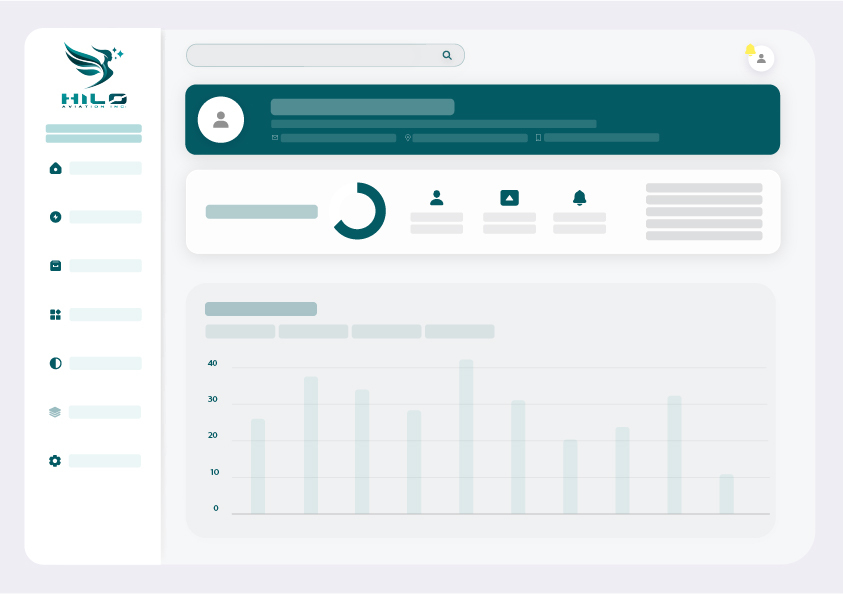
Instructor performance, in one view
See instructor activity, experience, student load, and checkride pass rates in one place, with direct access to student records and performance.
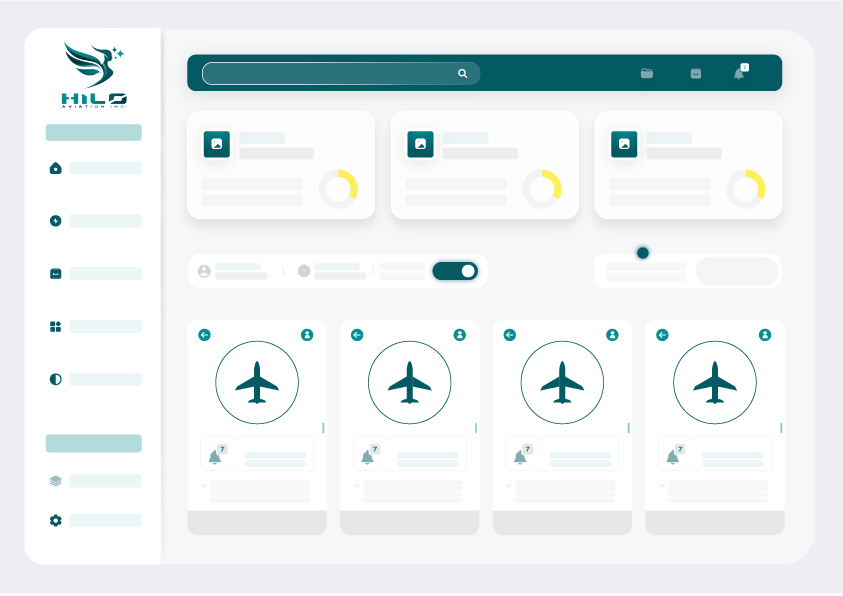
Aircraft and simulator readiness across the operation
See aircraft and simulator status, hours, upcoming service, and reported issues in one place, with clear visibility into availability, maintenance needs, and scheduling constraints and coordination.
One schedule for the full operation
Coordinate aircraft, instructors, simulators, and student availability in one unified schedule, with full visibility into conflicts, constraints, and utilization.
Reservations across the operation
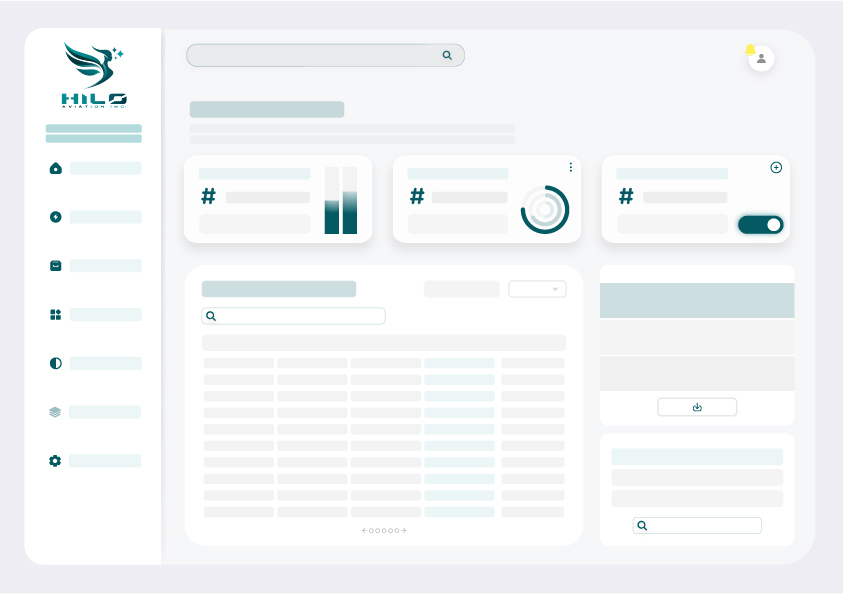
Track flight, simulator, and ground reservations, including scheduled and completed hours, with visibility into upcoming checkrides and operational activity.
Track progression. Make readiness visible.
Monitor student progression and identify certification readiness before checkrides are scheduled.
A structured pipeline from enrollment to certification
Training runs as a connected system, not separate tasks.
Programs structure the training path. Curriculum organizes progression. Classes bring instructors and students together. Evaluations and checkrides confirm readiness at each stage.
Each stage connects, giving you a clear, continuous view of training from enrollment through certification.
Stage checks and standardization
One of the most consistent pain points for multi-location or high-volume schools is ensuring every student gets the same training experience regardless of the instructor.
Early identification of at-risk students
a use case around students falling behind on stage completions or missing milestones would ground the analytics section in real operational value. This also bridges naturally to Hilo Flight Risk without stepping into that module's territory.
Multi-program management
Multi-program management run airline cadet programs, zero-to-hero pathways, and custom training pipelines side by side — each with its own structure, timelines, and progression tracking.
Endorsement tracking
FAA endorsements (solo, cross-country, check ride) are a legal and audit requirement. If ATOS tracks and surfaces these within the student record, it belongs on this page. It's a compliance signal that resonates strongly with Part 141 and university buyers.
Checkout Readiness
Define and manage training programs with consistent curriculum and clear progression standards.
Training programs follow defined stages, aligned to how students progress and how training is delivered.
Programs can mirror FAA-approved training course outlines (TCOs), supporting standardized progression and audit-ready records.
HOW TRAINING IS STRUCTURED
- Structured programs (Private, Instrument, Commercial, CFI)
- Course sequencing aligned to training stages
- Stage-based progression supports consistent training delivery
- Manage multiple programs across the organization
- Flexible program models, from academies to individual ratings
Whether you run a zero-to-hero academy, standalone ratings, or cadet pipelines, the system adapts to your training structure.
Training Performance Analytics
Coordinate instructors, students, and schedules in one system, without manual tracking or handoffs.
- Assign instructors across programs and classes
- Coordinate ground school and flight training
- Standardize delivery across instructors and locations
- Centralize scheduling and visibility
- Maintain continuity despite instructor turnover
- Student records and progress live in the system, not in instructor notes
Training stays consistent, regardless of who is teaching, because the system holds the record.
Training built into
the ATOS system
Training is not managed in a separate system. It runs inside ATOS, connected to scheduling, aircraft, instructors, and dispatch. Student progression, instructor availability, aircraft readiness, and operational conditions stay aligned in real time.
CONNECTED OPERATIONS
Training is aligned with aircraft, instructors, and dispatch, so what is planned matches what actually happens on the schedule.
CONNECTED SAFETY & PERFORMANCE
Training, aircraft, and scheduling decisions are not always aligned in real time.