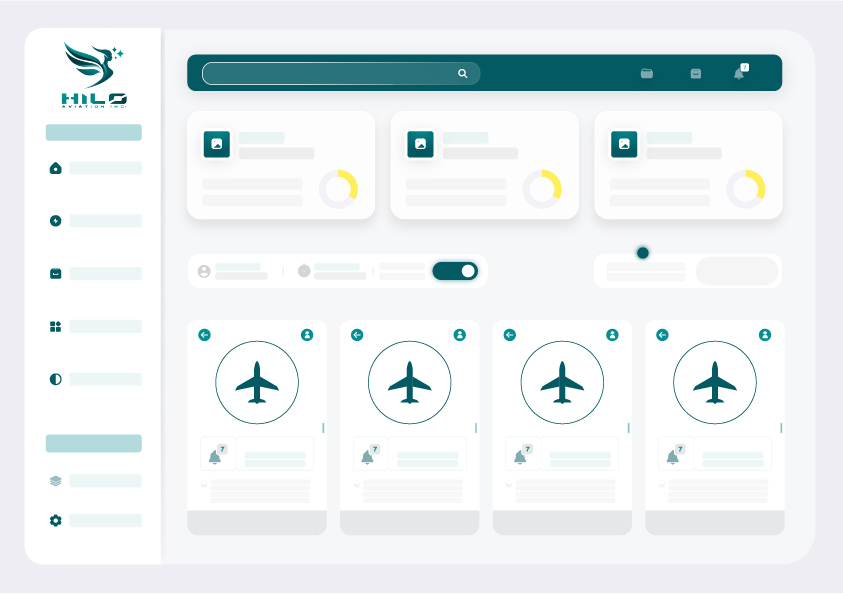
ALL-IN-ONE
AI
-POWERED
AVIATION PLATFORM
Built by aviators. Powered by AI. One platform.
The answer to all your operational needs
-
60%Reduction in administrative workload
-
30%Reduction in delays across aviation workflows
-
2xFaster decision-making ability
One platform. One operational picture.
MODERN AIRCRAFT
STILL OPERATE ON
FRAGMENTED GROUND
SYSTEMS
DISCONNECTED WORKFLOWS
- Scheduling and maintenance operate separately
- Training data is disconnected from operations
- Safety and compliance remain reactive
Most aviation organizations rely on disconnected tools, spreadsheets, and manual workarounds that were never designed to operate as a single system.
This is not a tooling problem. It is a systems problem.
For years, aviation has tried to solve fragmentation by adding more tools. Better schedulers. Smarter spreadsheets. New point solutions layered on top of old ones. But tools optimize individual tasks. They do not coordinate the operation. As complexity increases, stitching systems together creates more handoffs, more failure points, and more uncertainty.
What aviation needs is not another tool.
It needs a single system that understands how everything connects and supports decisions across the entire operation.
HILO
The Aviation Training & Operating System
ATOS is the system layer that aviation has been missing
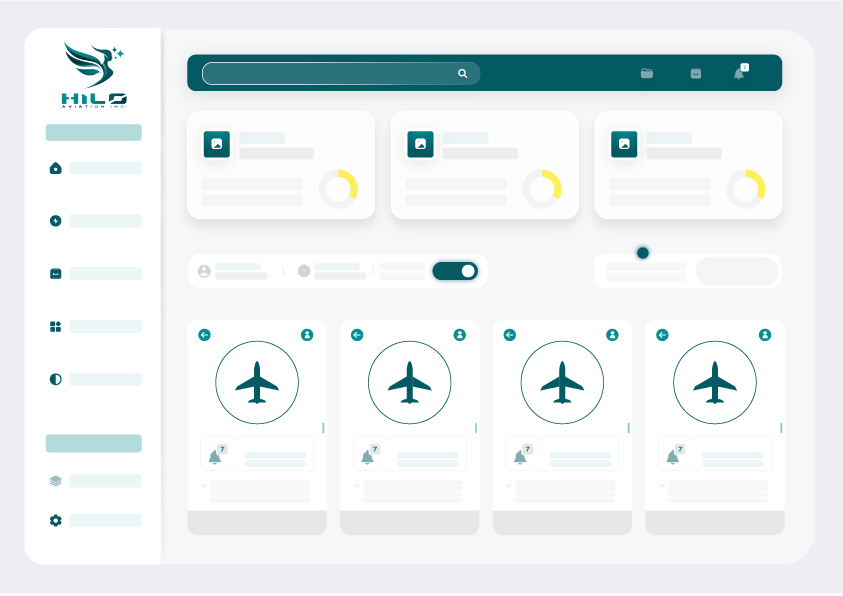
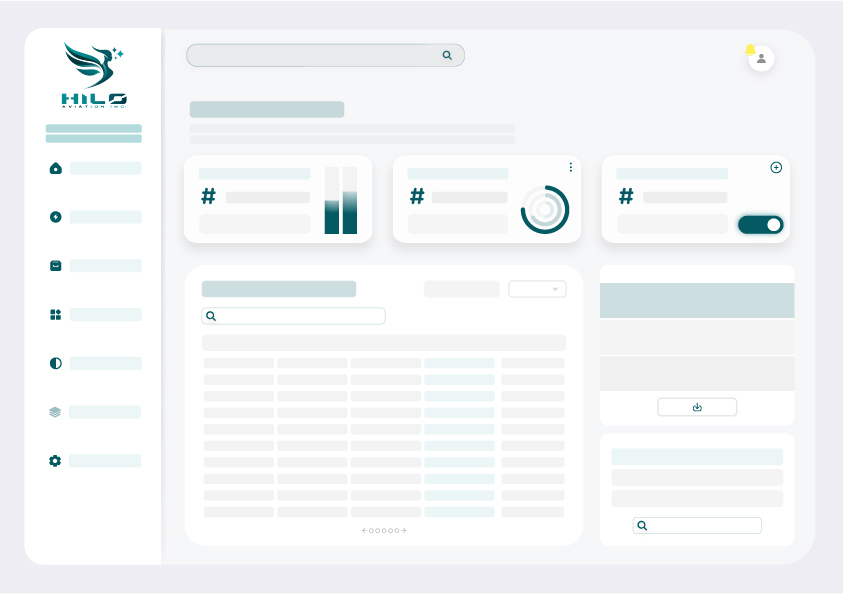
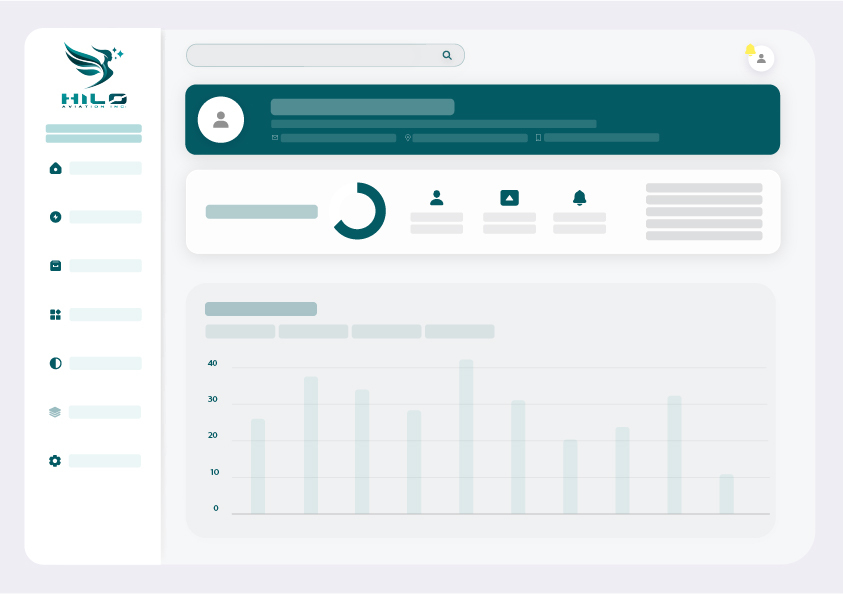
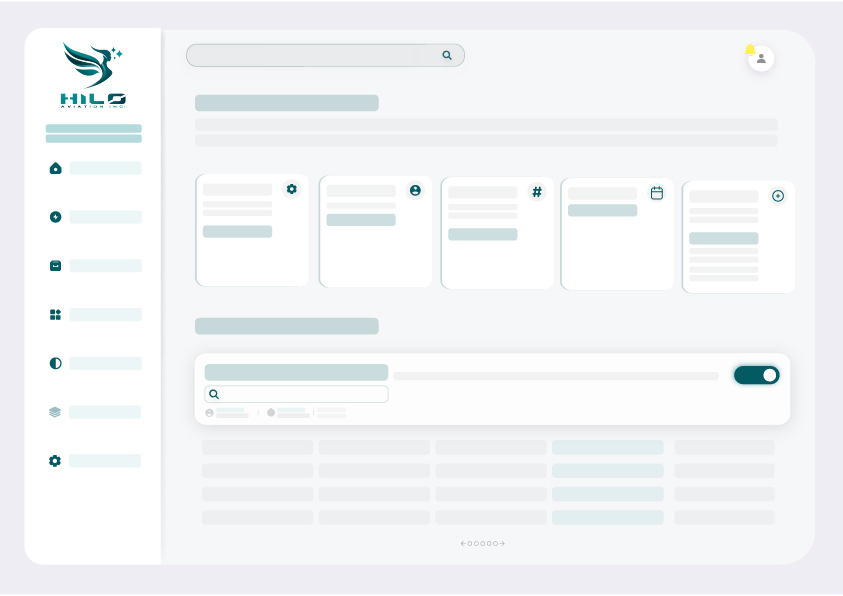
From initial training through active operations and long-term outcomes, one system supports every critical decision. This is not a collection of tools. It is the system behind the entire operation.
training
Student progression, proficiency, and instructor input live within one continuous view of operational readiness.
scheduling
Aircraft, instructors, and students are coordinated within real operational context, not managed as isolated calendars.
maintenance
Aircraft status, inspections, and airworthiness are integrated directly into planning, not tracked in separate records.
safety
Risk signals, compliance factors, and operational constraints are surfaced before decisions are made, not documented after.
financial signals
Utilization, revenue flow, and exposure are visible alongside training and operations, not buried in back-office systems.
A single operating system for aviation
Hilo is designed as a central operating system that understands the full aviation operation as one connected whole. Rather than managing disconnected records and reports, ATOS maintains a continuous view of operational readiness and risk across the organization.
AI-powered intelligence. Human command.
Hilo analyses scheduling, training, maintenance, and risk signals in real time.
It surfaces conflicts, constraints, and emerging risk before decisions are made.
AI recommends. People decide.
Every action is human-approved, creating clarity, consistency, and control across the operation.
Professional
We operate with the discipline and decision expected in aviation. Everything we do communicates reliability, trust, and respect for the craft.
Intelligent
Smart systems, smarter planning, and clear communication to keep everything on track.
Innovative
We challenge the obvious and continuously improve how we deliver results.
Supportive
Hands-on help, proactive updates, and a team that’s easy to work with.
Calm & Assured
Confidence under pressure—steady delivery from start to finish.
Clarity and confidence across the entire operation
By unifying systems and supporting better decisions, Hilo reduces operational uncertainty. Risks become visible earlier. Issues are addressed before they escalate. Teams spend less time reconciling data and more time focused on flying, teaching, and leading.
We just want you to be free to focus on what you love, aviation.
The result is safer operations, stronger compliance, and a calmer, more controlled day-to-day
Explore the system behind modern aviation operations
Hilo is built for aviation organizations that are ready to move beyond fragmented tools and reactive workflows. If you want to understand how an Aviation Training and Operating System works, start with a conversation. Our team works alongside aviation leaders to evaluate operations, reduce uncertainty, and design a system that supports safer, more confident decisions.