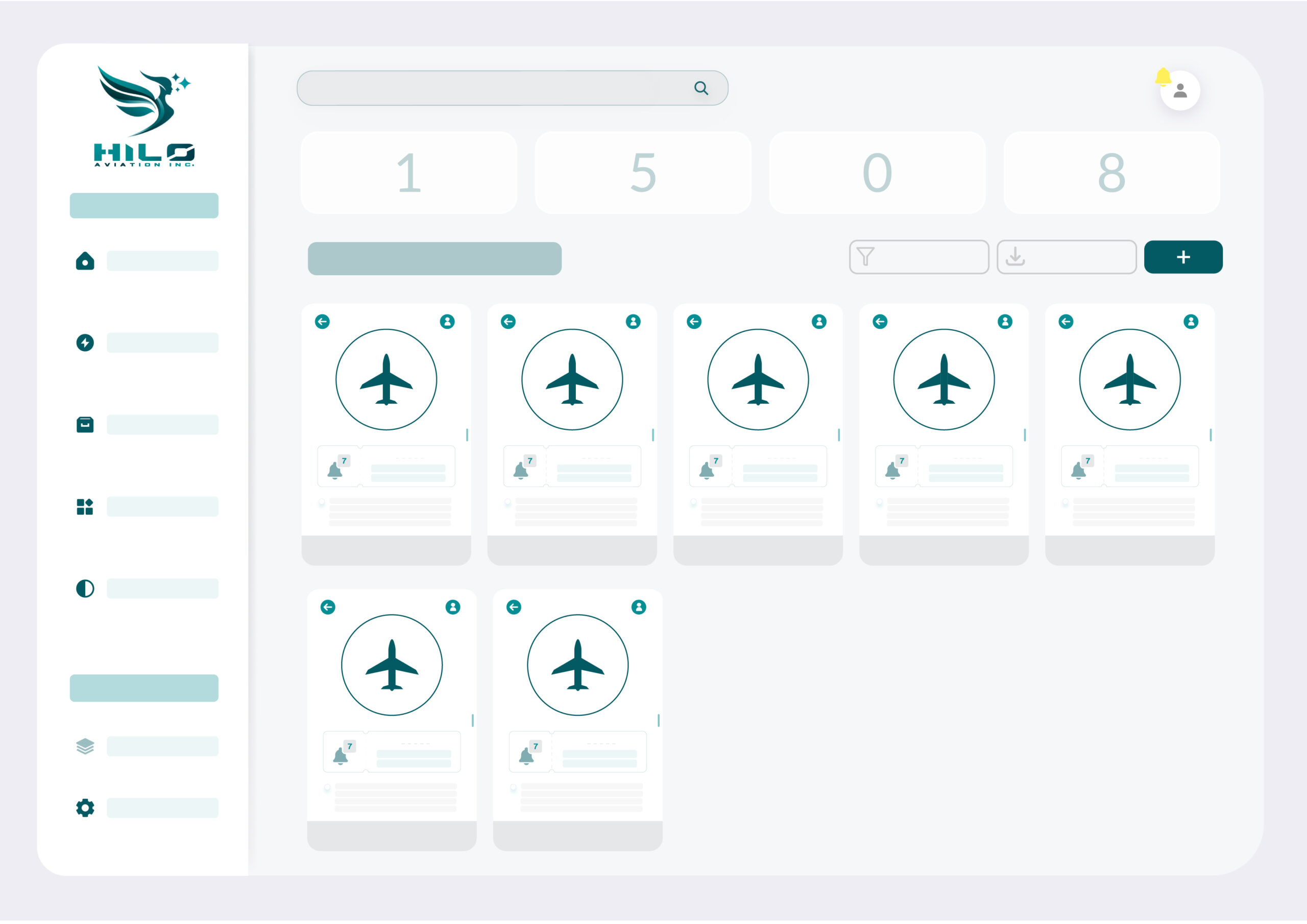
Aviation Safety Management System for Proactive Risk Management
Hilo connects operational, environmental, and human factors in one system, so safety decisions are not made through reports, disconnected data, or after-the-fact analysis.
MANAGE RISK WITH CONTEXT, DATA, AND ACTION
Risk is not a single score. It’s shaped by your operation, your standards, and your environment.
Hilo brings together internal data, industry intelligence, and operational context to surface risk clearly, support decisions, and ensure every action is tracked through to completion.
RISK DEFINED BY YOUR STANDARDS
Set risk thresholds aligned to your operation and regulatory requirements.
LEARN FROM INDUSTRY DATA
Risk models are informed by FAA and NTSB accident and incident data.
CORRECTIVE ACTION PLANS (CAP)
Create, assign, and track CAPs tied to safety events and operational risk.
FLIGHT DATA DRIVES RISK
FOQA data surfaces trends and risk patterns across the operation.
RISK AT DISPATCH DECISION
Risk scoring is surfaced during dispatch to support go/no-go decisions.
AI supports.
People decide.
The system surfaces risk conditions and provides context for each signal.
The dispatcher, instructor, or chief pilot makes the final call. Technology strengthens judgment. It does not replace it.
Pilot experience and currency
Deliver ground school and structured aviation knowledge
Aircraft readiness
Deliver ground school and structured aviation knowledge
FAA Confidence
NTSB/FAA integration builds stronger evaluation trust.
Route and weather
Deliver ground school and structured aviation knowledge
Operational constraints
Deliver ground school and structured aviation knowledge
Evaluate every flight before approval
Before a flight is approved, the system evaluates all relevant conditions together, including pilot, aircraft, route, weather, and operational constraints.
Risk connected across training and operations
Flight Risk is built into the ATOS system, not added as a separate tool.
Risk is shaped by training activity, scheduling pressure, and aircraft readiness, and connected across the same system that runs your operation.
Risk insights are surfaced directly within the dispatch workflow at the moment of flight approval.