Flight Scheduling & Dispatch
Software for Aviation Operations
Hilo is designed as a central operating system that understands the full aviation operation as one connected whole.
Training demand
For years, aviation has tried to solve fragmentation by adding more tools. Better schedulers. Smarter spreadsheets. New point solutions layered on top of old ones.
Aircraft availability
For years, aviation has tried to solve fragmentation by adding more tools. Better schedulers. Smarter spreadsheets. New point solutions layered on top of old ones.
Instructor and pilot
For years, aviation has tried to solve fragmentation by adding more tools. Better schedulers. Smarter spreadsheets. New point solutions layered on top of old ones.
Maintenance
For years, aviation has tried to solve fragmentation by adding more tools. Better schedulers. Smarter spreadsheets. New point solutions layered on top of old ones.
WHERE SCHEDULING BECOMES THE PRESSURE POINT
Scheduling is where aviation operations feel strain first. Training schedules, aircraft readiness, instructor availability, maintenance exposure, and safety constraints converge into a narrow set of decisions that must be made continuously.
When these domains are managed in isolation, scheduling absorbs the uncertainty. Decisions are made without full awareness of downstream impact, and the schedule becomes a buffer for complexity it cannot fully see.
- Disrupted training flow
- Last-minute schedule changes
- Aircraft grounded at the wrong time
- Dispatch decisions made under pressure
A single operating system
for aviation
Hilo is designed as a central operating system that understands the full aviation operation as one connected whole.
Scheduling as a System, Not a Calendar
Most flight scheduling software is built to manage time. Calendars, booking grids, and availability views answer a narrow question: What appears open right now?
In aviation, that framing breaks down quickly.
Readiness drives reality
Whether a flight should be scheduled, released,
or changed depends on readiness — not time alone.
Readiness drives reality
- Training progression and syllabus requirements
- Aircraft condition and maintenance status
- Instructor and pilot qualifications
Scheduling is coordination
At this level, scheduling is not an administrative task.
It is a coordination problem across the entire operation.
Readiness drives reality
- Conflicts surface late
- Aircraft dispatch decisions become reactive
- Reconciliation happens under pressure
Support Without Surrendering Control
- Surfaces conflicts and constraints
- Highlights emerging operational risk
- Provides recommendations with context
What the Scheduling & Dispatch System Understands
Effective aviation scheduling depends on understanding how operational states interact, not evaluating them one at a time.
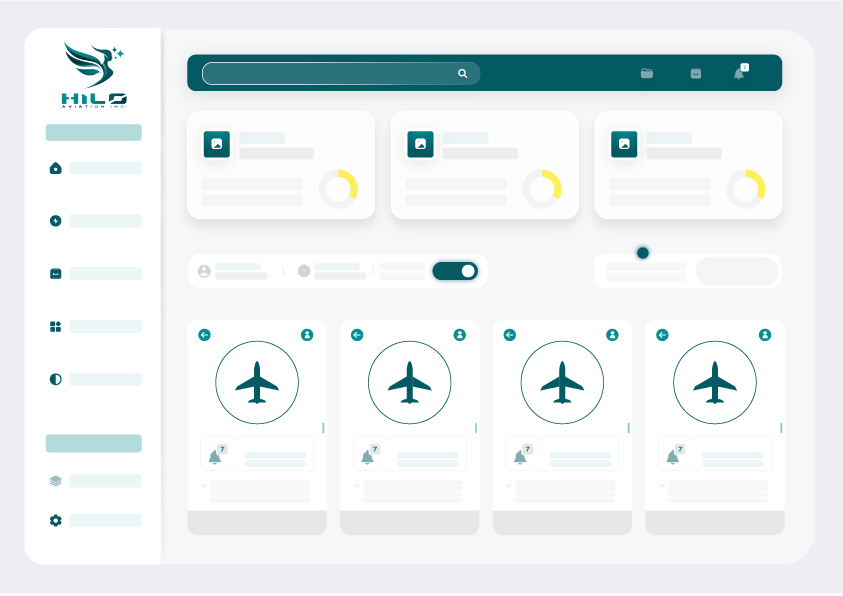
Within ATOS, Scheduling and Dispatch
- Training progression and student readiness
- Aircraft condition and maintenance exposure
- Instructor and pilot qualifications
- Operational and environmental context
These signals do not change independently:
- Training delays affect instructor utilization
- Maintenance thresholds alter aircraft availability
- Maintenance thresholds alter aircraft availability
- Operational conditions can shift risk without changing the schedule itself